
How to Select the Right Plastic and Bonding Solution for Emergency Vehicle Applications
Emergency vehicle manufacturers are constantly balancing strength, weight, and reliability under pressure. Whether it’s a fire truck, ambulance, or police vehicle, the right plastic and adhesive combination can support performance, assembly speed, and long-term durability.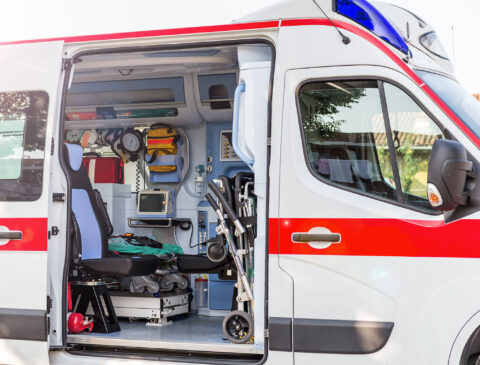
Explore plastic materials and bonding technologies that support reliable performance, from lightweight body panels to durable interior components. See how adhesives and tapes can replace rivets and welds while improving aesthetics and reducing labor costs.
Common Plastics in Emergency Vehicles
Plastics are used throughout emergency vehicles for their combination of strength, versatility, and resistance to challenging environments. Material selection depends heavily on where and how the plastic will be used.
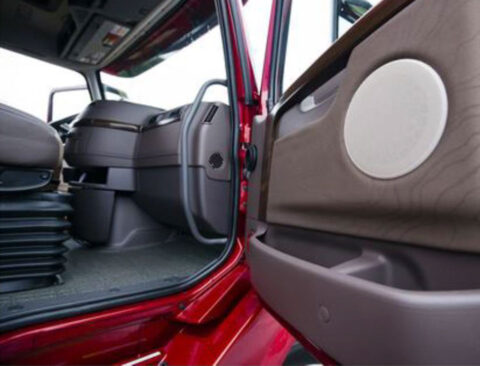
ABS is known for its toughness, ease of fabrication, and flame-retardant grades. It is often used in dashboards, instrument panels, and interior trim components where durability and appearance matter.
Polycarbonate offers exceptional impact resistance and clarity. It is a common choice for light covers, lenses, partition windows, cabinetry, and protective panels. It is also used in cabinet faces to resist breakage. Some grades include UV inhibitors or flame resistance for outdoor or regulated use.
FRP (Fiberglass Reinforced Plastic) and Aluminum Composite Materials (ACM) are increasingly used as alternatives to metal in exterior body panel designs, particularly in modular ambulance bodies and custom rescue vehicle enclosures. These materials offer excellent strength-to-weight ratios, weather resistance, and dimensional stability. While many emergency vehicles still rely on aluminum or stainless steel for structural durability, FRP and ACM are ideal for applications that benefit from lightweight construction, corrosion resistance, and design flexibility.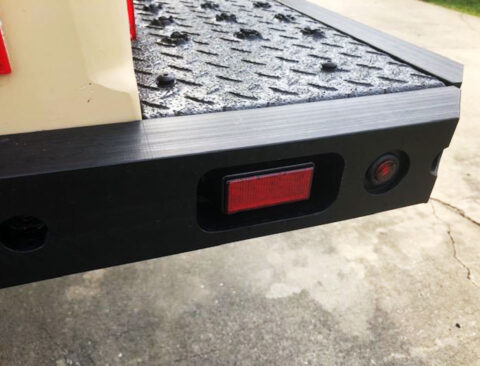
HDPE and UHMW plastics are chosen for components that experience frequent impact or exposure to chemicals, such as fender liners, wheel well guards, equipment enclosures, and fluid tanks. They are also used as ladder slides on fire trucks. UHMW adds excellent abrasion resistance for liner panels or wear strips in cargo areas.
KYDEX® thermoplastic sheet is common in ambulance interiors due to its chemical resistance, cleanability, and ability to meet flammability requirements. It maintains strength under load and is often used in cabinetry, bench seats, and compartment dividers.
Expanded PVC, such as SEABOARD® StreamLite®, is used as a lightweight, economical replacement for wood or metal in flooring, paneling, and light-duty cabinetry. StreamLite expanded PVC sheet is lead- and heavy-metal-free, UV-protected for outdoor performance, and provides good screw and staple retention due to its fine cell structure.
Nylon is used for structural brackets and support parts that require high strength and wear resistance. When glass filled, it can replace metal in non-load bearing applications. It performs well in high humidity or temperature variable environments.
Acrylic may be used in transparent applications requiring stiffness and visual clarity, though it is more brittle than polycarbonate. It is often bonded into cabinets, windows, or displays when visual aesthetics are key.
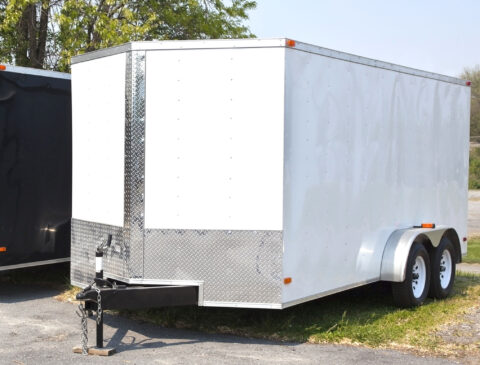
When selecting plastics, it is important to consider factors such as:
- Impact resistance and mechanical durability
- Weight limitations and rigidity
- Environmental exposure such as UV, cleaning agents, or harsh chemicals
- Temperature stability near heat sources
- Applicable regulatory requirements (e.g., FMVSS 302, UL 94)
Replacing Fasteners with Adhesives
Mechanical fasteners like rivets, screws, and welds are traditionally used in vehicle assembly. Today, many emergency vehicle manufacturers are replacing these mechanical fasteners with structural adhesives and tapes. Adhesive bonding reduces weight, eliminates corrosion around drilled holes, and provides clean, fatigue-resistant joints. It also helps streamline assembly and improve aesthetics by removing the need for visible hardware, making screwless panel designs possible both inside and out.
In addition to plastic-to-plastic bonding, structural adhesives can also be used to join dissimilar materials such as plastic-to-metal or metal-to-metal. The right adhesive can bond thermoplastics, metal-to-metal connections, and composite materials, helping enable modular builds, improve load distribution, and simplify production processes across many transportation applications.
Adhesive and Tape Technologies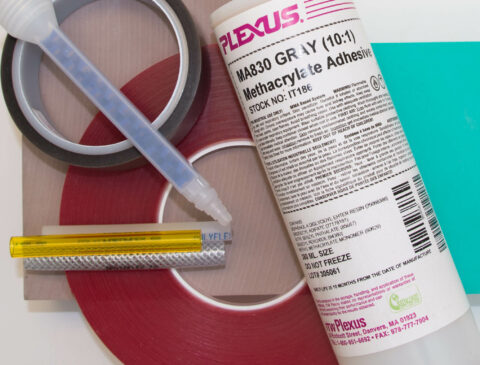
Several types of adhesives and tapes are used to meet the needs of different materials and applications.
MMA adhesives (such as Plexus®) are widely used for structural bonding of metals, plastics, and composites. They cure quickly, fill gaps well, and create strong, durable bonds suited for body panels, frames, and brackets.
Silicone adhesives (such as Momentive® RTV) offer excellent temperature resistance and flexibility, making them a good choice for sealing light housings, gasketing enclosures, and managing vibration.
Acrylic foam tapes (such as 3M™ VHB™) provide instant, high-strength bonds for panels and trim. They are valued for their clean look and long-term durability, especially in exterior applications where screwless panels are preferred.
Cyanoacrylates (such as Apollo®) bond small components quickly and are often used for minor plastic assemblies or trim repairs.
Solvent cements (such as SCIGRIP®) chemically fuse similar plastics together, such as acrylic to acrylic joints, creating clean, nearly invisible bonds.
Matching Materials to the Right Solution
Choosing an adhesive requires careful consideration of both materials and environmental conditions. For example:
- Exterior panels made from FRP or ACM are often bonded using MMA adhesives or VHB tapes.
- Interior cabinetry constructed from KYDEX®, ABS, expanded PVC, or polycarbonate is typically joined using MMA adhesives or solvent cements.
- Lighting enclosures made of polycarbonate or nylon commonly use RTV silicone or MMA adhesives.
- Structural components like nylon or aluminum brackets are frequently secured using MMA or hybrid adhesives.
- Smaller plastic parts are often assembled using cyanoacrylate adhesives.
- Applications involving both metal and plastic components may benefit from structural MMA adhesives that are engineered for bonding dissimilar materials.
| Application Area | Material Example | Common Adhesive Solutions |
| Exterior Panel Bonding | FRP, ACM, aluminum | Plexus® MMA, 3M™ VHB™ |
| Interior Cabinetry | KYDEX®, ABS, expanded PVC, polycarbonate | MMA or solvent cement (SCIGRIP®) |
| Lighting Enclosures | Polycarbonate, nylon | RTV silicone or MMA |
| Brackets & Mounts | Nylon, aluminum, ABS | Plexus MMA or urethane hybrid adhesives |
| Small Fixes/Trim | Polycarbonate, ABS | Cyanoacrylate (Apollo®) |
Getting It Right in Production
Effective bonding for emergency vehicle applications depends on several production factors beyond adhesive selection. Surface preparation is key, typically a solvent wipe, and sometimes abrasion or primer depending on the plastic. Joint design matters too. Lap joints and flanges often perform better than butt joints or peel configurations. Many teams also run test bonds before production and ensure proper training on application techniques to reduce waste and improve consistency.
For complex builds or unfamiliar material pairings, consider consulting with Curbell’s adhesive experts early in the design process. Collaboration can reduce testing time, prevent costly rework, and support a smoother production ramp-up.
Ready to Improve Your Process?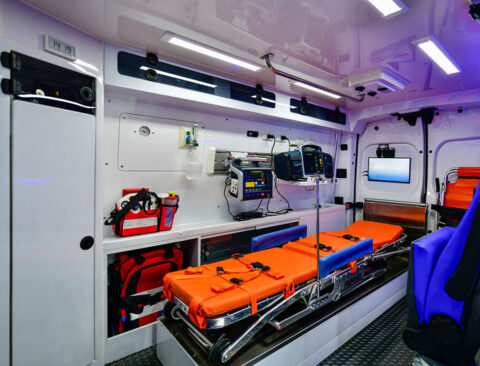
The right combination of plastics and adhesives can improve safety, reduce weight, and streamline emergency vehicle production. From interior cabinetry to exterior panels, today’s materials offer strength, durability, and resistance to harsh conditions. Adhesives and tapes are increasingly replacing fasteners, enabling cleaner designs and faster assembly.
Success depends on matching materials to the right bonding solution and applying them correctly. Partnering with an experienced supplier like Curbell Plastics can simplify that process and help ensure reliable, long-lasting performance.
Curbell Plastics is here to help. Contact us to discuss your next project.

About the author
Jeff Ostrowsky is Director of National Accounts at Curbell Plastics. Jeff leads a team dedicated to supporting customers with multi-site operations across the U.S. His experience spans outside sales, branch leadership, and regional management. Jeff has deep knowledge of plastic materials for transportation applications and a proven track record of helping customers solve complex challenges. Contact Jeff.
Not sure which materials best fit your needs?
Our experienced sales and technical teams are available to assist you with material selection challenges.